Modern European tile has long been revered for its beauty, durability, and craftsmanship. From the intricate mosaics of ancient Rome to the colorful majolica of Italy and the refined porcelain of Spain, European tiles have played a key role in defining the aesthetic and cultural character of interiors for centuries. Today, they continue to enchant homeowners and designers alike, bringing a timeless elegance and a sense of history into modern living spaces. The charm of European tile lies in its rich heritage, versatile design, and enduring functionality.
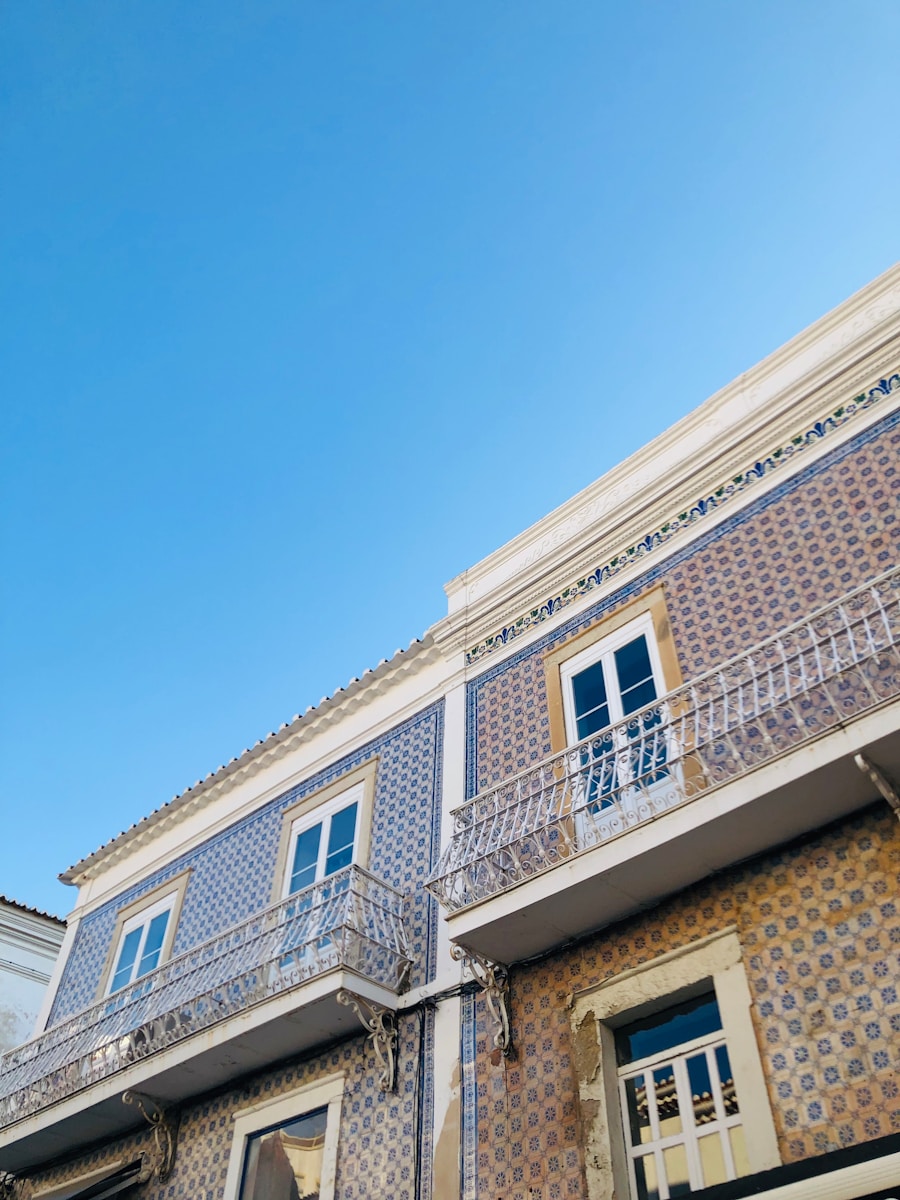
One of the most compelling aspects of European tile is its connection to centuries-old craftsmanship. Regions such as Italy, Spain, and Portugal have nurtured artisanal traditions where tile-making is an art form passed down through generations. These traditions are evident in the hand-painted patterns, sophisticated glazes, and the attention to detail that make European tiles distinct. Walking on a floor paved with Portuguese azulejos or seeing a backsplash adorned with Italian ceramic motifs is like experiencing a piece of living history. This connection to the past adds depth and authenticity to a home’s interior.
In addition to its historical allure, European tile is incredibly versatile in design. It suits a wide range of styles—from rustic Mediterranean villas to sleek contemporary apartments. Earthy terracotta tiles bring warmth and texture to kitchens and patios, while polished porcelain tiles offer a clean, modern look in bathrooms and hallways. The variety of patterns, colors, and finishes available means there is a European tile to match every taste and décor scheme. Whether it’s the geometric patterns of Spanish encaustic tiles or the organic shapes of French limestone, these materials provide endless design possibilities.
Functionality is another core reason European tile remains a popular choice. Known for its durability and low maintenance, tile is ideal for high-traffic areas and spaces prone to moisture, such as kitchens and bathrooms. European tiles, particularly those made from porcelain or natural stone, are often more dense and long-lasting due to strict manufacturing standards. Their resistance to stains, water, and wear makes them not only a beautiful choice but a practical one as well.
Ultimately, the charm of European tile lies in its unique ability to blend form and function with an artistic sensibility that transcends trends. It brings a sense of refinement and character to any space while standing up to the rigors of daily life. By incorporating European tile into the home, one brings in more than just a surface covering—it is a celebration of tradition, style, and enduring quality that continues to inspire and delight.